Legend Status: How to Survive (and Win) a Busy Trade Show
EVENTS
Trade shows aren’t for the faint of heart.
They are loud.
They are exhausting.
And by Day 3, everyone looks like they’ve run a marathon in dress shoes (*unless they're in the red shoe crew).
But, but, the people who thrive at events like UNLEASH America, Transform, or ERE Recruiting Innovation Summit?
Those people are legends.
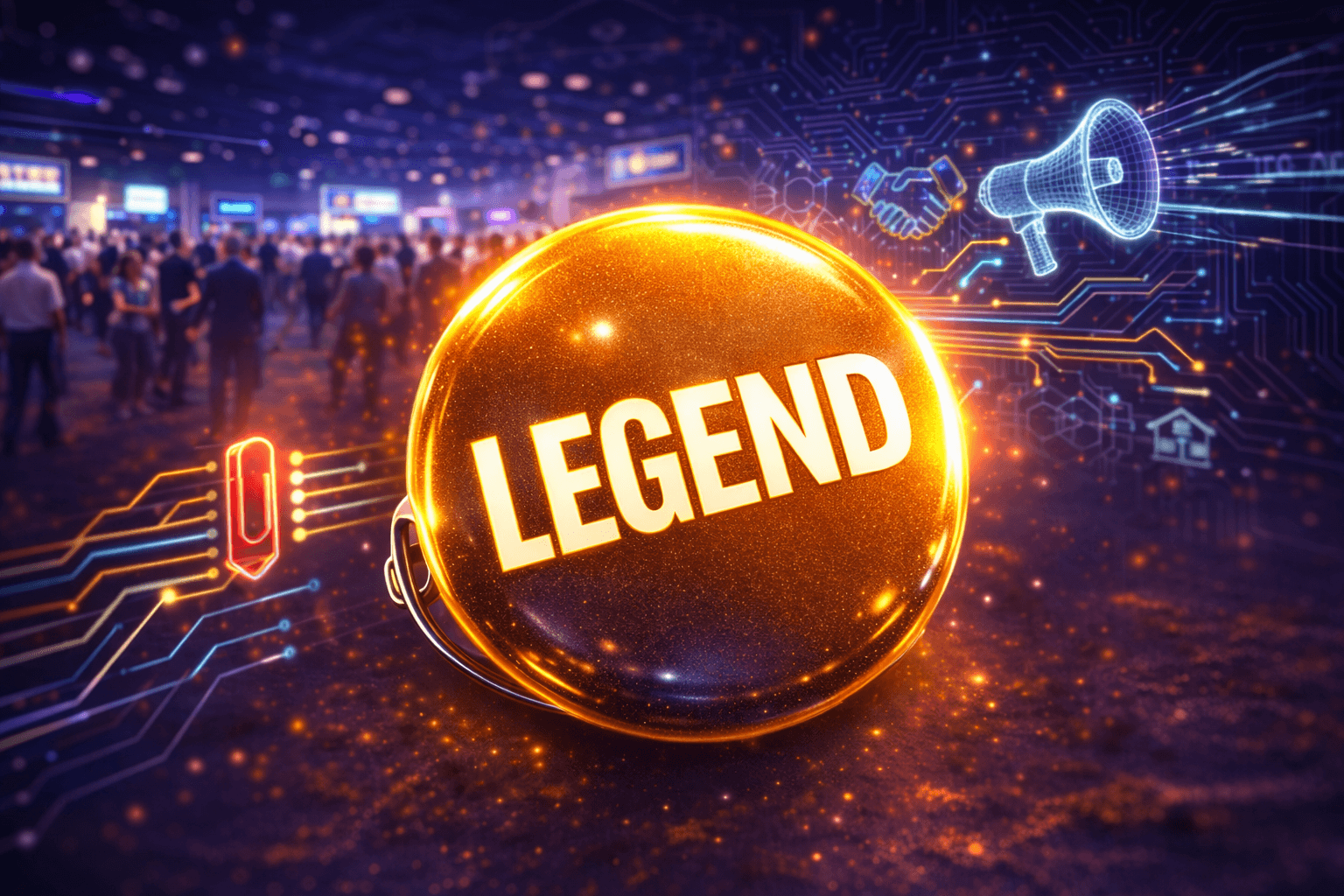
If you’re holding this LEGEND button, congratulations — you’re already halfway there.
Because the real legends of conference season understand something most companies don’t:
Trade shows are not about booths. They’re about momentum.
And momentum is exactly what great PR creates.
What Makes Someone a Trade Show Legend?
Legend status at conferences usually looks something like this:
• Their booth is always busy
• People recognize their brand when they walk by
• Speakers reference them in sessions
• Influencers mention them in posts
• Customers tell their story
Meanwhile, most booths sit quietly waiting for badge scans.
The difference isn’t luck.
It’s visibility before the event, during the event, and after the event.
That’s where PR comes in.
The Real Trade Show Playbook
The companies that dominate conferences usually follow a simple formula.
1. They build momentum before the event
Weeks before the conference even starts:
Press releases announce launches
Podcasts preview the event
LinkedIn posts introduce speakers
Media briefings are scheduled
By the time the event begins, attendees are already hearing the name.
This is the difference between showing up and arriving with gravity.
Legends arrive with gravity.
2. They create moments during the event
At the conference itself, legends create things people want to talk about:
Announcements
Live podcast recordings
influencer meetups
customer stories
surprise activations
The goal isn’t just traffic.
It’s stories people retell after the conference.
Legends have staying power.
3. They extend the impact after the event
Most companies pack up their booth and disappear.
Legends do the opposite.
They turn the event into:
blog posts
media coverage
video clips
social proof
future speaking opportunities
A three-day conference becomes three months of content.
Legends also attend the sessions, take notes, and engage outside the tradeshow floor.
Where PR Changes the Game
Good PR at a conference does three things:
Visibility
Your company appears in media, podcasts, and LinkedIn discussions happening around the event.
Credibility
Instead of pitching yourself, others talk about your work.
Longevity
Your conference presence continues showing up in search results long after the booths are gone.
That’s why companies investing in event PR consistently outperform those relying only on booth traffic.
What I Do for Companies During Conference Season
At Evan White PR, we help companies turn conferences into visibility engines, not just travel expenses.
That can include:
press release strategy around events
podcast guest placements
influencer introductions
media outreach during conferences
founder storytelling
post-event amplification
The goal isn’t just “being at the event.”
The goal is owning the conversation around it.
A Quick Reality Check
If you’re at a trade show right now, you already know:
Everyone is tired.
Everyone is pitching.
Everyone is trying to stand out.
But the people who walk away with real momentum?
They didn’t just show up.
They showed up with a story.
Want to Be Legendary?
If you’re building something interesting and want more people to know about it, let’s talk.
Because trade shows are hard.
But legends make them look easy.
FAQ
What does PR do for trade shows?
PR amplifies conference presence through media coverage, podcasts, influencer mentions, and social storytelling that extends beyond booth traffic.
When should PR start before a conference?
Ideally 3–6 weeks before the event, allowing time to build momentum and secure media opportunities.
Can small startups benefit from event PR?
Absolutely. In fact, smaller companies often gain the most because PR helps them appear alongside larger competitors in industry conversations.